





Description
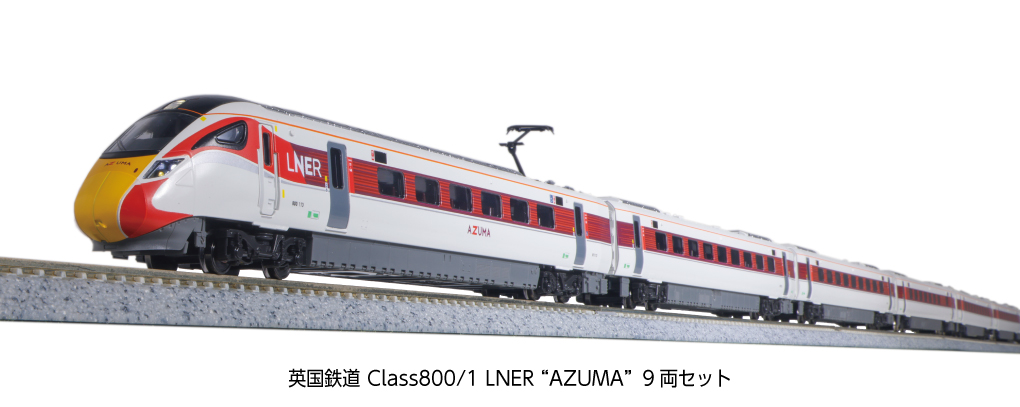
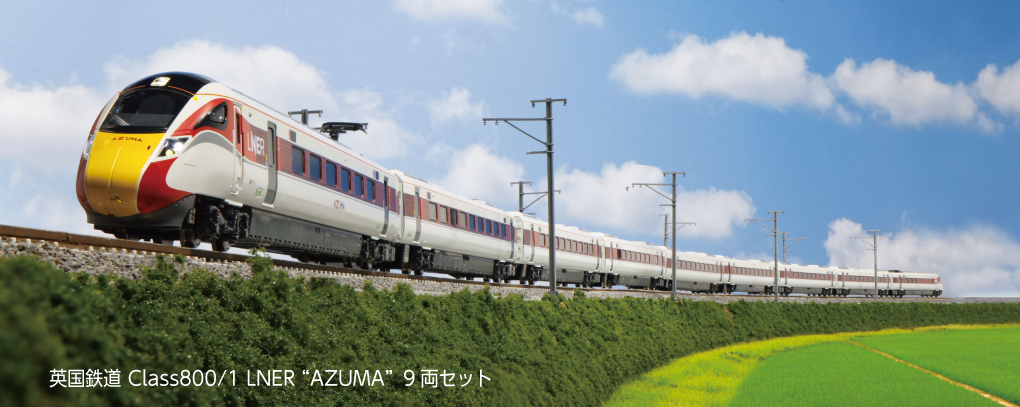
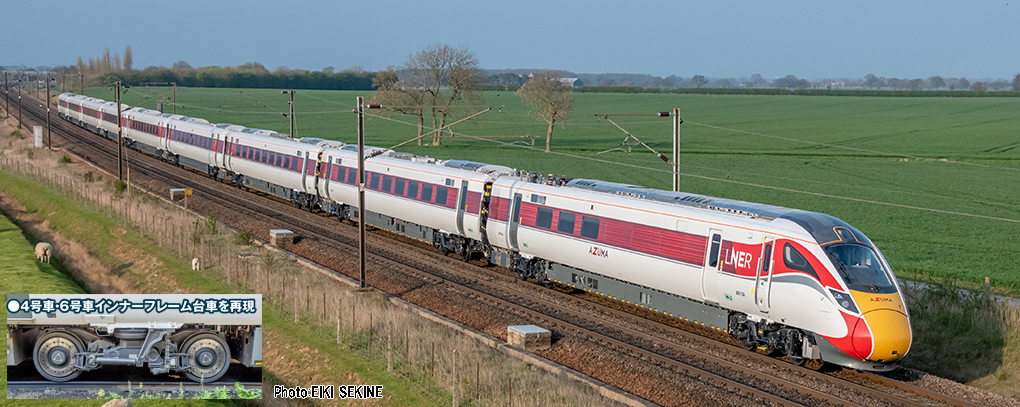
KATO's LNER Azuma set represents the Class 800/1, a nine-car Hitachi-built Intercity Express Train used on the East Coast Main Line. The prototype replaced older HST workings and is able to work over both electrified and non-electrified routes.
The Class 800/1 differs from the shorter five-car Class 800 sets, with a nine-car formation, different bogie and roof details, and a full first-class intermediate vehicle. KATO reproduces the distinctive LNER Azuma front-end treatment, window-band striping and AZUMA logos in British N scale at 1:148.
Model details include the narrowed body-end shape, mechanical roof equipment, black side destination displays, printed door switches and emergency door release markings.
9-car set is 1,580 mm long / 5 ft 2 in. Minimum radius R282mm
Features
- Nine-car LNER Class 800/1 Azuma set in British N (1:148) scale.
- Bi-mode train design, reflecting electric operation from overhead wires and diesel-electric operation away from the wires.
- LNER red, white and black Azuma livery with fine window-band striping.
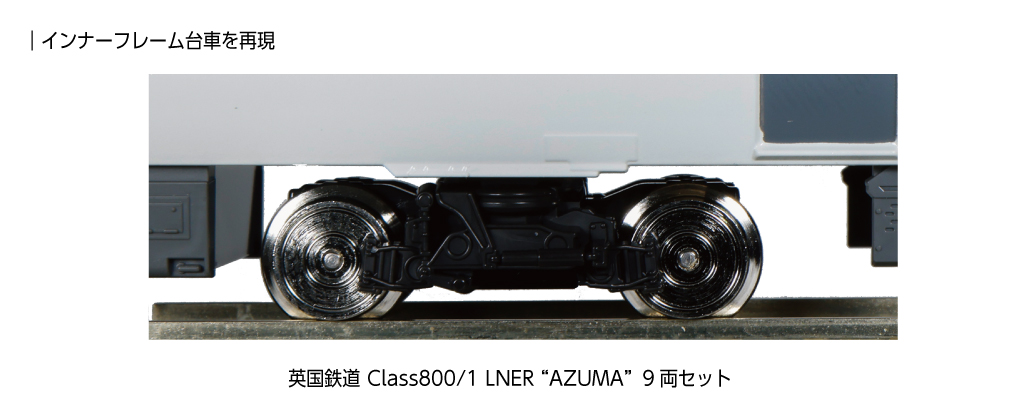
- Nine-car formation with inner-frame bogie and roof detail differences from the five-car sets.
- Full first-class intermediate vehicle included in the formation.
- Headlights and taillights fitted with white LEDs and light-off switch.
- Front coupling mechanism fitted, allowing coupled operation where appropriate.
- Flywheel-equipped motor unit for smooth running.
- Diaphragm couplers used between intermediate cars.
- Disc-brake wheel detail reproduced on each car.


Mike Harvey (verified owner) –
I pre-ordered the Kato 9 car Azuma as soon as it was offered on the Train Trax website. Shortly after the train was released in Japan, I had a notification that my order had been fulfilled, payment taken and that the package was en route. It arrived at the time predicted by Royal Mail. The set is presented in a neat book-style slip-case with two well protected internal cases with foam lining trays, one with 5 coaches and the other with 4. I had studied the instructions online in advance so I soon had the whole train clipped together and operating on the extended oval of track around my main layout. Operation was smooth and quiet and just for fun I ran it briefly at top speed which scaled out at 380km/hr. Remarkably that included 180 degree bends at each end with a 282mm radius, which the train ran round without faltering. The paint finish is smooth with a mainly satin finish. To make up the 9 car set Kato have added four extra coaches with different bogies from the original 5 car train. These are true to the real thing and have the axle bearings inside the bogie frame, rather than in outside frames. In theory the inside bearings should produce a bit more drag and Kato have compensated for this with traction tyres on two wheels of the powered bogies on the single central powered car. I am not sure they are needed. As a consequence of the inside bearings the outer faces of these wheelsets are shiny metal which is a compromise between the shiny brake discs of the real trains, but without the discoloured wheel rims and flanges. Once on the track, the shiny wheels are not really a distraction. My next job will be to add internal lighting which I found fairly easy on the previous 5 car set. I will use a short strip of masking tape to hold the nose-cone, headlight lenses and windscreen secure whilst adding the lights to the end cars. This train is great value with good quality engineering, neat presentation and a reliable retail distribution network in Train Trax.